
As the Seasons Change
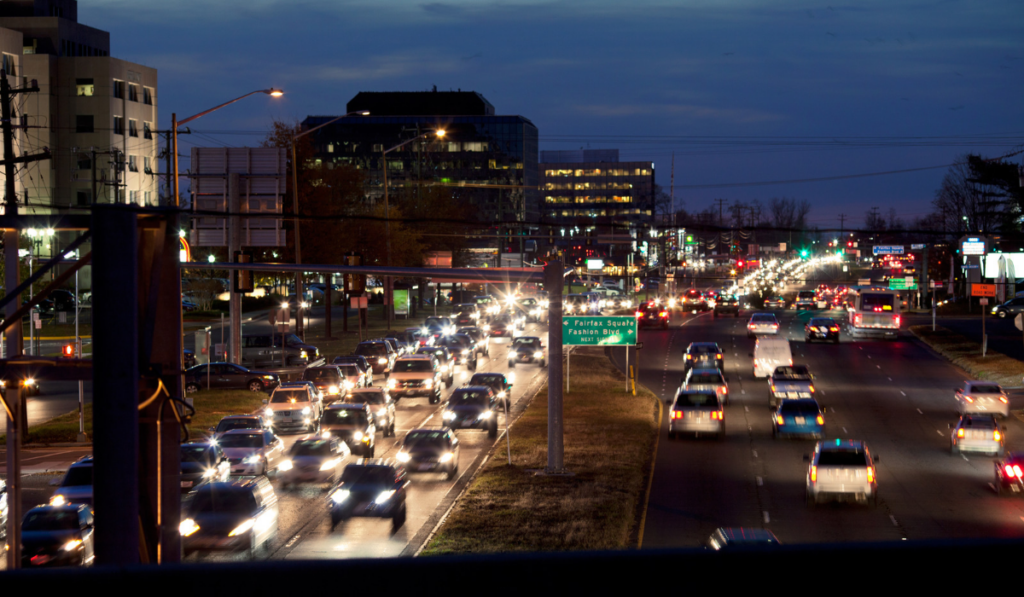
With the sun setting earlier, your commute home, errands, and evening activities are in the dark. There are a few things to keep in mind as you navigate the shorter days and earlier sunsets. Use these tips to prepare for changing daylight and temperatures and adjust your routine for the season.
Walking: Be Seen and Stay Comfortable
Whether you are walking to a transit stop, heading home, or taking an evening stroll, these tips can help you prepare for changing light and temperatures.
- Make yourself more noticeable. Bright or reflective clothing can help, especially near roads and intersections.
- Use sidewalks, crosswalks, and well-lit paths whenever possible.
- Ensure drivers have seen you before crossing. A little eye contact can go a long way.
- Put your phone away and stay aware of your surroundings. Turn down your headphones or remove them before crossing the street.
- Carry a small flashlight if you’re walking in an area with limited lighting. It can help you see where you’re going and make you more visible to others.
- Bring an extra layer. Even if it feels comfortable when you leave in the morning, your trip home may be colder after the sun goes down.
- Watch for vehicles entering or exiting driveways and parking garages.
Biking: Get Ready for the Ride
Earlier sunsets don’t mean you have to leave your bike at home. Before heading out, take a moment to make sure you and your bike are ready for the ride ahead.
Use this five-point checklist to make sure you’re visible and prepared before you go:
- Front and rear lights are working
- Reflective gear or accessories are visible
- Tires are properly inflated
- Brakes are responsive
- Your phone is charged
When riding after dark, stay alert around intersections and areas with more traffic.
Driving? Keep an Eye Out
As daylight hours get shorter, follow these steps to stay alert and maintain visibility behind the wheel.
- Keep your windshield and headlights clean. Dirt, salt, and grime can make it harder to see and increase glare from oncoming vehicles.
- Use your wipers and defroster when needed. A clear windshield helps you spot people walking, biking, and crossing the street.
- Watch for pedestrians and people on bikes. Reduce your speed near intersections, crosswalks, parking lots, and neighborhood streets. Check for people walking or biking before turning or opening your car door to get out and maintain a safe distance when passing someone on a bike.
- Slow down when visibility is limited. Giving yourself a little more time and space to react can make a big difference.
Transit: Plan Ahead
If you’re taking Metro, the bus, or another form of transit, check your trip before you leave to look up arrival times, check for service updates, and plan ahead when possible. When you’re getting to and from your stop, stay aware of your surroundings and use marked crossings, especially when visibility is limited.
Your Commute, Your Way
Shorter days are part of the season, but they don’t have to change the way you get around. As the seasons change, keep visibility and awareness in mind throughout your commute. The tips above offer ways to prepare for darker trips, regardless of how you get around.
Want to try a different way to get around this season? Visit the Your Travel Choices page on our website.